
The following books are Dr Natalia’s favorites that she recommends frequently to her patients. Each month we will explore these books in depth. Do you have a favorite book that you think would fit perfectly on our bookshelves here? Let us know through the form below!

To Heal Endo
An Anti-Inflammatory Approach to Healing from Endometriosis
This book takes a whole-body, root-cause approach to managing endometriosis. Katie Edmonds explores the connections between nutrition, gut health, the immune system, and the nervous system—empowering readers to take an active role in their healing journey. It’s an excellent resource for anyone looking to complement their medical care with lifestyle and wellness strategies.
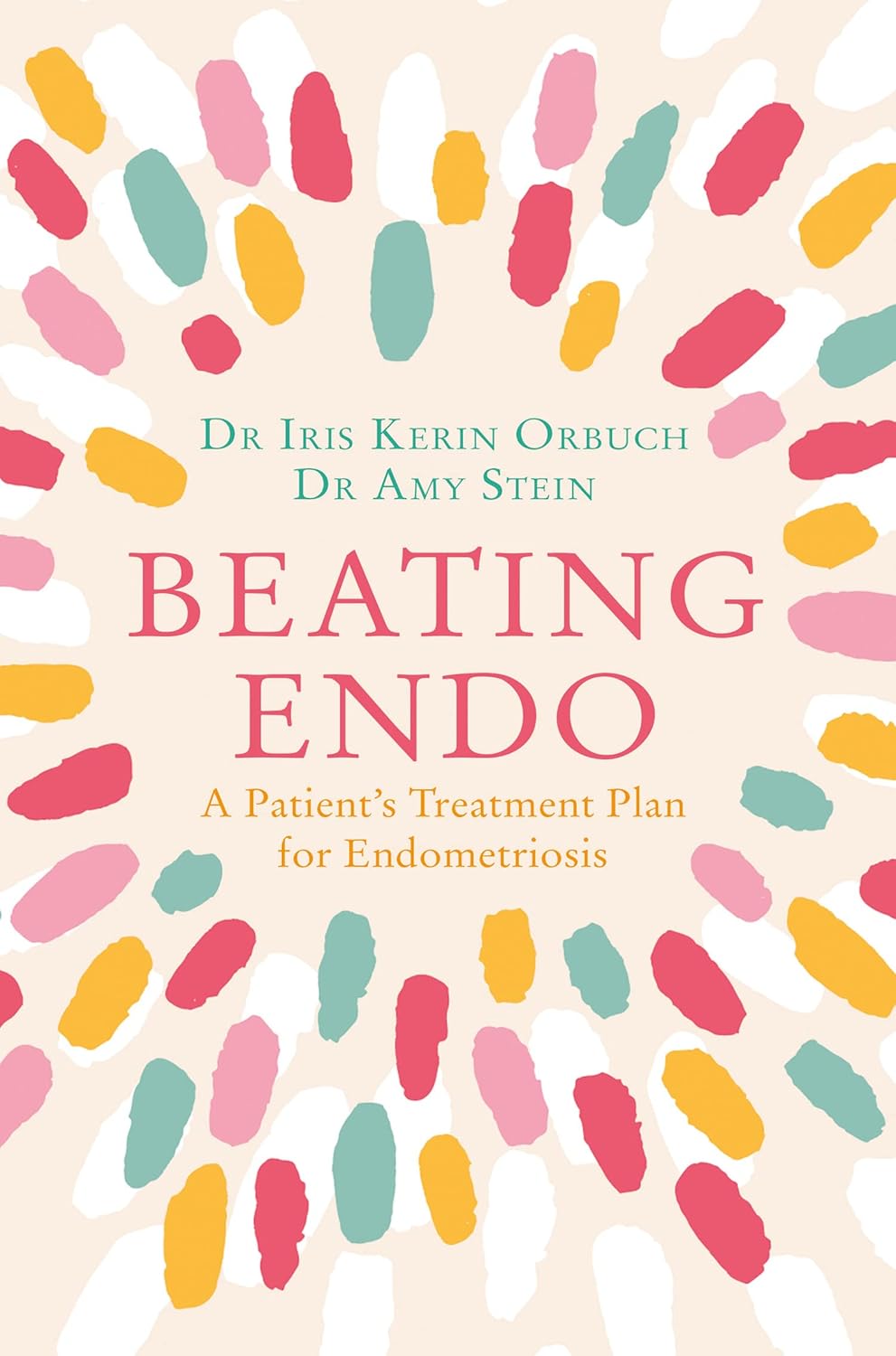
Beating Endo
How to Reclaim Your Life from Endometriosis

Aroused:
The History of Hormones and How They Control Just About Everything
Aroused: How Hormones Shape Our Bodies, Health, and Pelvic Floor
Hormones and the Pelvic Floor
The pelvic floor is directly influenced by hormones, especially estrogen, progesterone, and testosterone. These hormones affect muscle tone, connective tissue strength, lubrication, and even pain perception. During times of hormonal change—such as puberty, pregnancy, postpartum, perimenopause, and menopause—people often notice new or worsening pelvic floor symptoms. Incontinence, pain with intercourse, or pelvic organ prolapse may be tied not only to muscle strength but also to hormonal shifts that alter tissue resilience. Pelvic floor physical therapy can be a powerful way to address these changes. By focusing on muscle coordination, breath work, mobility, and relaxation techniques, therapy supports the body through transitions where hormones alone don’t provide the full solution.PCOS and Hormonal Imbalance
Ovarian Hormones and Menstrual Regulation: Although PCOS isn’t named, Epstein’s book does delve into female reproductive hormones and ovarian function, which are relevant to understanding PCOS. For example, Epstein describes how the brain’s hypothalamus and the pituitary gland orchestrate ovarian hormone release (estrogen/progesterone) to regulate menstruation and reproduction. She notes that while this brain-ovary feedback loop controls puberty and menopause, scientists still don’t fully understand what triggers key transitions – a reminder of the complexities that underlie conditions like PCOS. The book also recounts some historical attempts to manage or manipulate women’s hormones. Epstein writes about early 20th-century “anti-aging” and fertility tonics made from animal ovary extracts – a money-making fad predicated on the notion that consuming glandular extracts could boost women’s vitality or cure hormonal woes. (One such dubious remedy involved desiccated rabbit ovaries used to “treat” menopause and menstrual symptoms.) These anecdotes illustrate the longstanding medical interest in ovarian hormones and the sometimes questionable methods tried – indirectly setting the stage for understanding modern ovarian disorders. Polycystic Ovary Syndrome (PCOS) is one example of how hormones directly affect the pelvic floor and overall health. PCOS is a common condition where higher androgen levels and insulin resistance disrupt ovulation and menstrual cycles. While its symptoms are often linked to reproduction, the ripple effects can include pelvic pain, urinary issues, or challenges with sexual function—areas that pelvic floor therapy may help improve. By connecting the science of hormones with the lived experience of patients, both Aroused and pelvic floor physical therapy highlight an important truth: our hormones influence nearly everything, but support and healing often require a whole-body approach.Main points from the book:
- Explores the history and science of hormones as powerful chemical messengers that regulate metabolism, mood, behavior, sleep, and immune function.
- Traces the evolution of endocrinology from early discoveries to modern hormone clinics.
- Highlights pioneering scientists, such as Harvey Cushing (pituitary research) and Rosalyn Yalow (Nobel laureate for radioimmunoassays).
- Includes stories of individuals who promoted questionable or unproven hormone-based remedies.
- Weaves together real-life stories, rejuvenation surgeries, and myths around hormones.
- Shows how medical thinking has been shaped by both scientific progress and eccentric or tragic experiments.
- Demonstrates how our understanding of hormones has evolved and how these molecules continue to shape health in powerful, often unexpected ways.

Wild Feminine:
Finding Power, Spirit & Joy in the Female Body
This book by Tami Lynn Kent is a guide to reconnecting with the female pelvic space as a source of creativity, intuition, vitality, and empowerment. Kent, a women’s health physical therapist, combines anatomy, energy medicine, and personal healing practices to help women reclaim the power and wisdom stored in the female pelvis.
Main points from the book:
The Female Pelvis as an Energy Center
- Kent introduces the idea that the pelvis is not just a structural or reproductive region, but a sacred space where emotional, spiritual, and creative energy resides.
Energetic Imprints & Trauma
- She discusses how trauma, stress, cultural shame, or disconnection can create energetic blocks in the pelvic bowl, affecting physical health, sexual wellness, and creativity.
Hands-On Practices
- Kent includes visualizations, guided meditations, self-massage, breathwork, and grounding exercises designed to help women tune into and heal their pelvic space.
Creative & Feminine Flow
- Reconnecting with the pelvis is portrayed as key to unlocking feminine vitality, helping women feel more rooted, powerful, and whole.
The Role of Intuition and Spiritual Healing
- Kent blends Western physical therapy knowledge with energy healing and intuition, emphasizing that healing must address the body, mind, and spirit.
Relation to Pelvic Floor Physical Therapy
Shared Foundation in Anatomy
- Kent is a licensed pelvic floor PT. Her work is grounded in understanding the musculature and function of the pelvic floor.
- Both her book and standard PT focus on rehabilitating pelvic floor dysfunctions such as incontinence, pain, and prolapse.
Integration of Energetic & Emotional Healing
- Unlike traditional PT, Kent’s approach adds energetic awareness to treatment, acknowledging that emotional trauma can be stored in pelvic tissues.
- This is relevant for PTs working with patients who may not respond fully to physical treatment alone due to underlying emotional or energetic factors.
Empowerment-Based Model
- Instead of a purely clinical model, Kent encourages body literacy and self-healing, promoting long-term resilience and connection to one’s body.
- Pelvic floor PTs incorporating her methods might use body awareness training, breathwork, and self-care rituals alongside manual therapy.
Trauma-Informed Care
- Wild Feminine supports a trauma-sensitive approach to pelvic care, which is increasingly important in pelvic PT to avoid re-triggering clients and to create safe healing spaces.
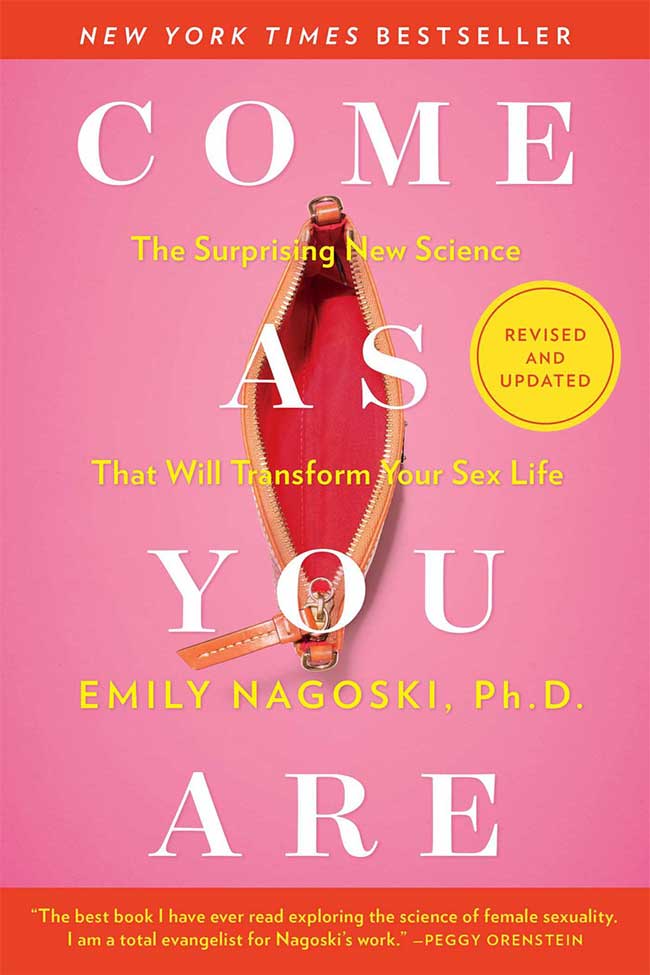
Come As You Are
Revised And Updated
Have you ever wondered why your sexual wellbeing might feel unpredictable or different from what you perceive as “normal”? You’re not alone, and Emily Nagoski’s insightful book, “Come As You Are,” beautifully addresses exactly why that is—and why it’s perfectly okay.
“Come As You Are” is a science-based, empowering guide to understanding women’s sexuality. The central message is clear: every woman is unique, and sexual wellbeing is influenced more by context and brain function than by anatomy alone. Forget about chasing the elusive “normal”—Nagoski reassures us that such a standard simply doesn’t exist. What a relief, right?
Main points from the book:
• Dual Control Model: Sexual response has two systems: • Accelerators: Response to sexual stimuli. • Brakes: Response to nonsexual or threatening stimuli.
Think of it like driving a car—it’s the delicate balance between these accelerators and brakes that dictates our levels of arousal. For many women, it’s not about having a weak accelerator but rather a highly sensitive brake, especially when experiencing stress, anxiety, or pain.
• Context Matters: Stress, body image, relationship dynamics, and life circumstances heavily influence sexual desire. Contrary to popular belief, desire isn’t always spontaneous for many women. Instead, it’s responsive and can flourish under supportive conditions.
• Nonconcordance: Physical arousal, such as lubrication, doesn’t always align with emotional or mental desire. Understanding this can help remove shame and confusion, allowing you to better appreciate your body’s natural responses.
• Emotional and Physical Safety: Feeling safe, relaxed, and accepted is fundamental to sexual wellness. Trauma, shame, or chronic pain can significantly dampen sexual responses, highlighting the importance of addressing these emotional layers.
• “Good Enough Sex” Model: Sexual satisfaction isn’t about perfection. Instead, it’s about emotional connection, mutual understanding, and genuine responsiveness.
How It Relates to Pelvic Floor Physical Therapy:
Understanding the Brain-Body Connection
Pelvic floor therapy often treats physical tension or dysfunction. Nagoski’s work highlights that emotional stress significantly influences pelvic floor muscle tension, acting as a strong “brake” on sexual response. Recognizing this brain-body link makes therapy more effective and compassionate.Reducing Shame and Normalizing Experiences
Many patients feel “broken” if they don’t experience arousal or pleasure “normally.” Nagoski helps reframe this perspective, presenting individual variations as natural rather than dysfunctional. This reframing reduces anxiety and fosters healthier body awareness.Encouraging Holistic, Compassionate Care
Pelvic floor therapists can integrate Nagoski’s holistic approach, offering gentle, individualized care. This includes education on arousal, mindfulness, and nervous system regulation, empowering patients towards long-term healing.Emphasis on Context & Consent
Nagoski emphasizes the crucial role of consent, comfort, and context in sexual experiences—vital aspects in pelvic floor therapy, where patient vulnerability is common. Therapists who use trauma-informed approaches can build trust and allow patients to guide the pacing of their therapy.
Ultimately, “Come As You Are” and pelvic floor physical therapy share common goals: promoting body literacy, emotional safety, and empowerment. Integrating Nagoski’s insights can enhance the holistic and compassionate nature of pelvic floor therapy, particularly for those navigating pain, shame, or confusion regarding their sexual and pelvic health.
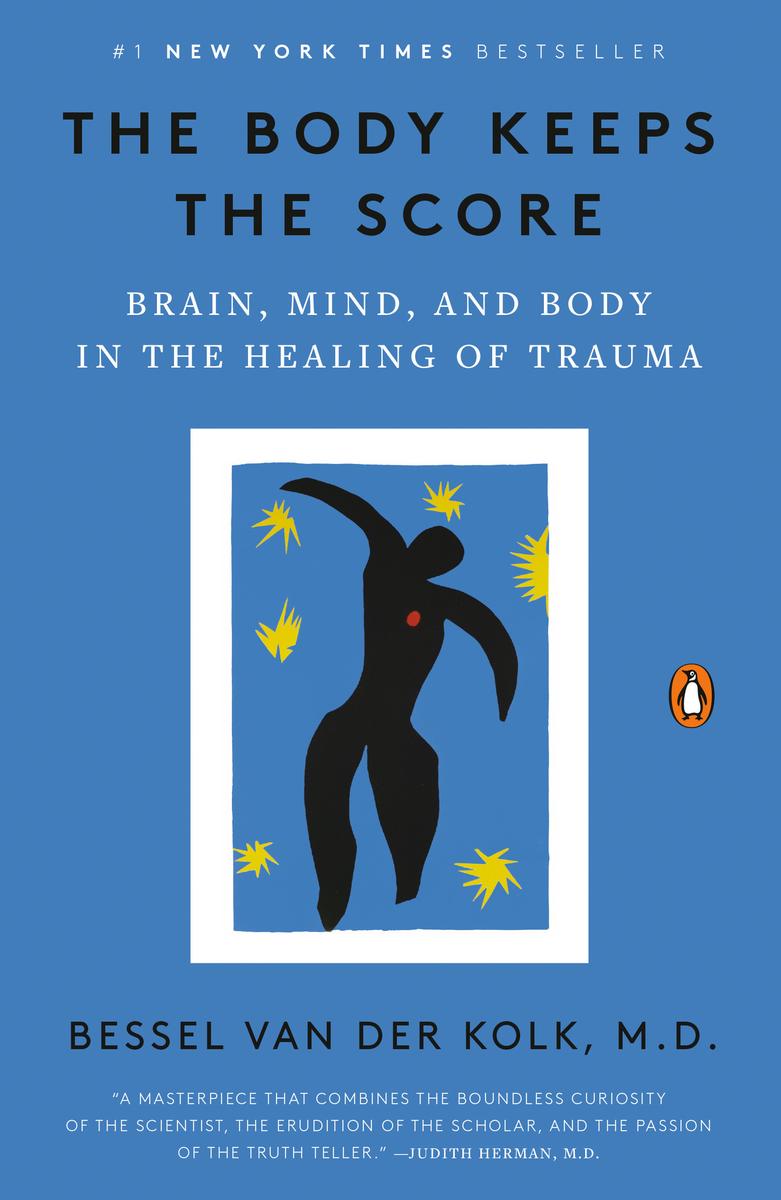
The Body Keeps the Score
Brain, Mind, and Body in the Healing of Trauma
May 2025 – “The Body Keeps the Score: Brain, Mind, and Body in the Healing of Trauma” by Dr. Bessel van der Kolk is a groundbreaking book that explores how trauma affects the body and mind—and how healing is possible. It also explores ideas that trauma lives in the body and healing often requires physical approaches. Pelvic floor physical therapy is a powerful and effective way to help release trauma that can be stored in the pelvic floor muscles.
Trauma is stored in the body-particularly the pelvis
Emotional trauma often manifests in a multitude of ways, but some of the most common ways that it can show up in the body is through muscle tension and chronic pain particularly in areas of the body that are associated with shame, fear and vulnerability-the pelvic bowl.
Pelvic floor muscles are deeply tied to our sense of safety, control and bodily boundaries. After trauma, those muscles may tighten as a protective reflex causing pain and dysfunction even long after the event has occurred. Because our nervous system and brain can hold onto painful and traumatic events, chronic pain can be very real and present even after the physical injury has healed. (read more about how the body holds pelvic trauma)
Upcoming Books
The following will be featured here and will be included in future blog posts:
- Wild Feminine, Tami Lynn Kent
- Wild Creative, Tami Lynn Kent
- Expecting Better, Emily Oster
- The Vagina Bible, Dr. Jen Gunter
- Menopause Manifesto, Dr. Jen Gunter
