

September is PCOS Awareness Month (Polycystic Ovarian Syndrome)
PCOS Awareness Month is a time to talk about one of the most common hormonal disorders affecting women of reproductive age. In this blog you’ll learn about the different types of PCOS, common symptoms, and ways to support your health through lifestyle and medical care.
September is PCOS Awareness Month (Polycystic Ovarian Syndrome)
PCOS Awareness Month is a time to talk about one of the most common hormonal disorders affecting women of reproductive age. In this blog you’ll learn about the different types of PCOS, common symptoms, and ways to support your health through lifestyle and medical care.

July is Diastasis Awareness Month
Diastasis Recti affects far more than appearance—it’s a common, often misunderstood postpartum condition that impacts core strength, posture, and pelvic floor function. This compassionate guide explores what it is, how it shows up, and how healing with the help of a pelvic floor therapist can reconnect you with your body.

Wild Feminine: Finding Power, Spirit & Joy in the Female Body
Wild Feminine: Finding Power, Spirit & Joy in the Female Body by Tami Lynn Kent is a guide to reconnecting with the female pelvic space as a source of creativity, intuition, vitality, and empowerment. Kent, a women’s health physical therapist, combines anatomy, energy medicine, and personal healing practices to help women reclaim the power and wisdom stored in the female pelvis.

Integrating Pelvic Floor Physical Therapy in Managing Genitourinary Syndrome of Menopause
Genitourinary Syndrome of Menopause (GSM) encompasses a range of symptoms resulting from decreased estrogen levels, affecting the urinary and genital systems. Pelvic floor physical therapy plays a crucial role in managing GSM-related symptoms by strengthening pelvic muscles and improving tissue mobility.
Navigating the 2025 Canadian Postpartum Guidelines—A Physical Therapist’s Perspective
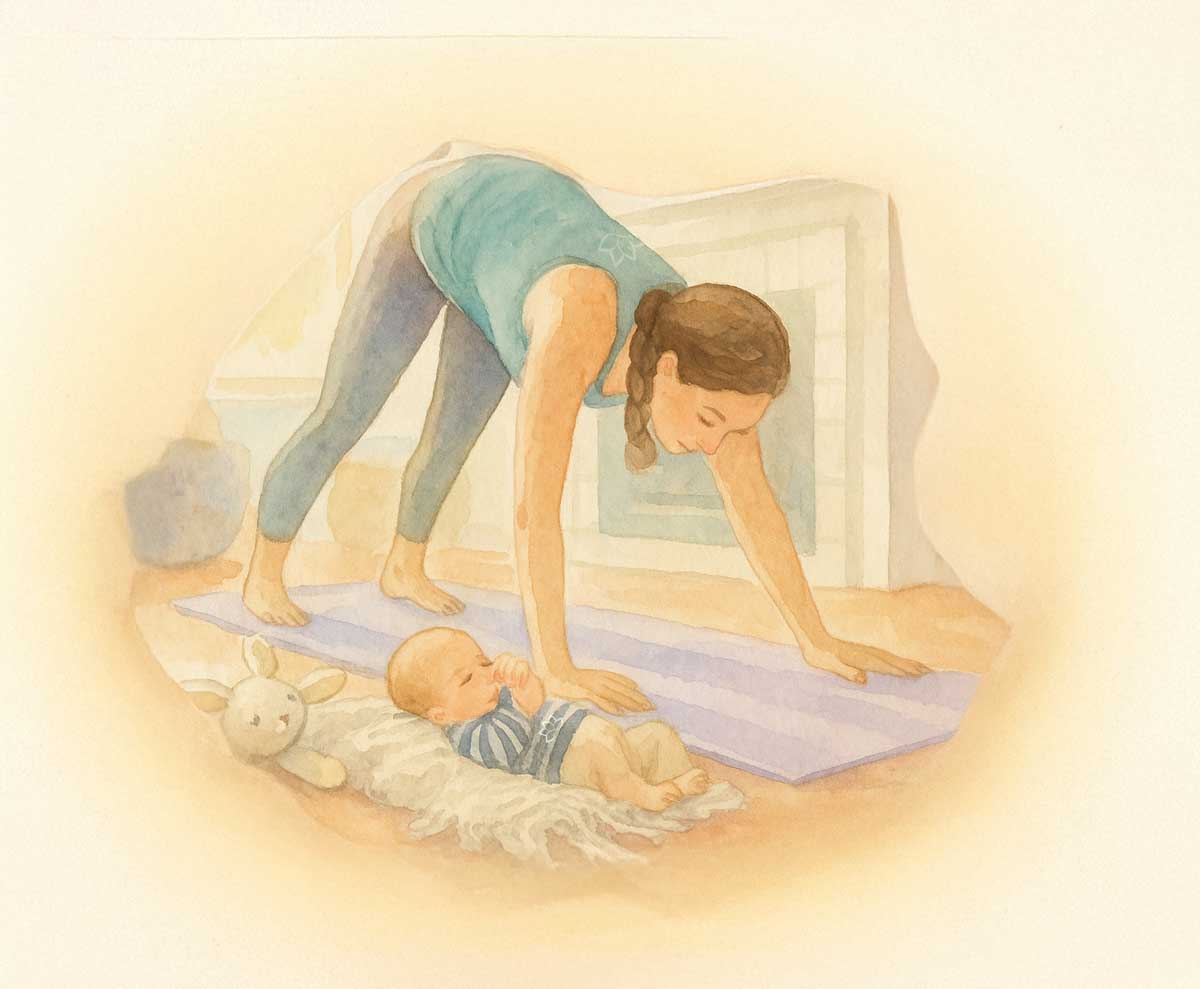
The 2025 Canadian Postpartum Guidelines recommend that new mothers engage in at least 120 minutes of moderate-to-vigorous physical activity per week, complemented by daily pelvic floor muscle training, to enhance physical and mental health during the first year after childbirth. These guidelines also emphasize the importance of healthy sleep routines and limiting sedentary behavior to support overall well-being.

Pelvic Trauma: How the Body Holds the Story
Emotional trauma often manifests in a multitude of ways, but some of the most common ways that it can show up in the body is through muscle tension and chronic pain particularly in areas of the body that are associated with shame, fear and vulnerability-the pelvic bowl.

A Heartfelt Thank You: Celebrating One Year of Mind Body Pelvis
To my wonderful community, past, current, and future clients of Mind Body Pelvis: I would like to extend my sincerest thank you for not only trusting me with your care, but being there every step of the way throughout my first year in business. For many years, I had a

20+ Health Habits for Growing Bodies: Pediatric Pelvic Health Physical Therapy
Pediatric Pelvic Health plays a critical role in supporting growing bodies from toddlerhood to adolescence. This blog explores common pelvic health conditions and practical tips for each developmental stage, helping families build lifelong habits and confidence in care.

March is Endometriosis Awareness Month
Endometriosis is a chronic condition that affects millions, often leading to debilitating pain, infertility, and muscle dysfunction that can be alleviated with Pelvic Floor PT. Despite its prevalence, delayed diagnosis and limited treatment options continue to impact the quality of life for those affected, making awareness and education critical.

How Pelvic Floor PT Can Transform Your Sexual Health & Intimacy
Pelvic Floor PT plays an important role in enhancing sexual health by addressing pain, discomfort, and muscle dysfunction that can interfere with intimacy. Here are 5 helpful tools to reduce pelvic pain.

Hydration Year Round: 6 Essential Tips for Supporting Bladder Health, Function, and More
Hydration is vital for overall health, but especially bowel and bladder health, even when the cold months reduces our thirst. By focusing on water intake and hydrating foods, you can combat dry air, support your immune system, and keep your pelvic floor and body functioning at their best all year long.
July is Diastasis Awareness Month
Diastasis Recti affects far more than appearance—it’s a common, often misunderstood postpartum condition that impacts core strength, posture, and pelvic floor function. This compassionate guide explores what it is, how it shows up, and how healing with the help of a pelvic floor therapist can reconnect you with your body.
Wild Feminine: Finding Power, Spirit & Joy in the Female Body
Wild Feminine: Finding Power, Spirit & Joy in the Female Body by Tami Lynn Kent is a guide to reconnecting with the female pelvic space as a source of creativity, intuition, vitality, and empowerment. Kent, a women’s health physical therapist, combines anatomy, energy medicine, and personal healing practices to help women reclaim the power and wisdom stored in the female pelvis.
Integrating Pelvic Floor Physical Therapy in Managing Genitourinary Syndrome of Menopause
Genitourinary Syndrome of Menopause (GSM) encompasses a range of symptoms resulting from decreased estrogen levels, affecting the urinary and genital systems. Pelvic floor physical therapy plays a crucial role in managing GSM-related symptoms by strengthening pelvic muscles and improving tissue mobility.
Navigating the 2025 Canadian Postpartum Guidelines—A Physical Therapist’s Perspective
The 2025 Canadian Postpartum Guidelines recommend that new mothers engage in at least 120 minutes of moderate-to-vigorous physical activity per week, complemented by daily pelvic floor muscle training, to enhance physical and mental health during the first year after childbirth. These guidelines also emphasize the importance of healthy sleep routines and limiting sedentary behavior to support overall well-being.
Pelvic Trauma: How the Body Holds the Story
Emotional trauma often manifests in a multitude of ways, but some of the most common ways that it can show up in the body is through muscle tension and chronic pain particularly in areas of the body that are associated with shame, fear and vulnerability-the pelvic bowl.
A Heartfelt Thank You: Celebrating One Year of Mind Body Pelvis
To my wonderful community, past, current, and future clients of Mind Body Pelvis: I would like to extend my sincerest thank you for not only trusting me with your care, but being there every step of the way throughout my first year in business. For many years, I had a
20+ Health Habits for Growing Bodies: Pediatric Pelvic Health Physical Therapy
Pediatric Pelvic Health plays a critical role in supporting growing bodies from toddlerhood to adolescence. This blog explores common pelvic health conditions and practical tips for each developmental stage, helping families build lifelong habits and confidence in care.
March is Endometriosis Awareness Month
Endometriosis is a chronic condition that affects millions, often leading to debilitating pain, infertility, and muscle dysfunction that can be alleviated with Pelvic Floor PT. Despite its prevalence, delayed diagnosis and limited treatment options continue to impact the quality of life for those affected, making awareness and education critical.
How Pelvic Floor PT Can Transform Your Sexual Health & Intimacy
Pelvic Floor PT plays an important role in enhancing sexual health by addressing pain, discomfort, and muscle dysfunction that can interfere with intimacy. Here are 5 helpful tools to reduce pelvic pain.
Hydration Year Round: 6 Essential Tips for Supporting Bladder Health, Function, and More
Hydration is vital for overall health, but especially bowel and bladder health, even when the cold months reduces our thirst. By focusing on water intake and hydrating foods, you can combat dry air, support your immune system, and keep your pelvic floor and body functioning at their best all year long.
Understanding Scar Mobilization: A Key to Optimal Pelvic Health Recovery
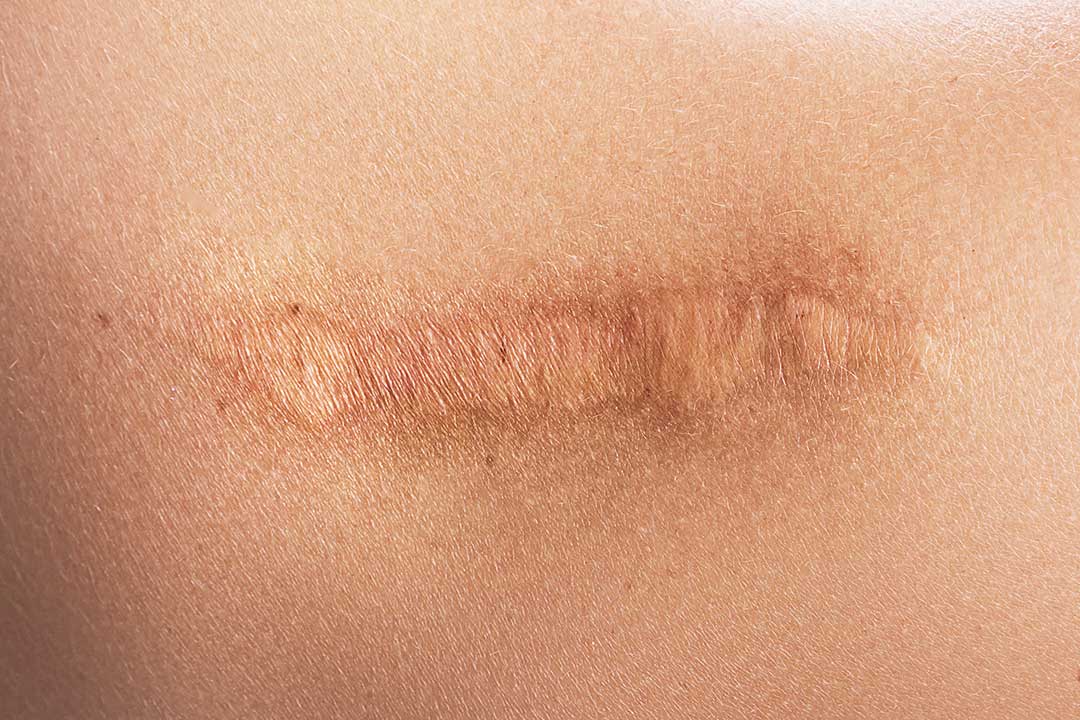
Discover how scar mobilization therapy can transform your pelvic surgery recovery. This specialized technique helps break down adhesions and restore tissue mobility, essential for optimal healing after procedures like hysterectomy, c-sections and gender affirming surgery.

Holiday Season Pelvic Health Tips from Dr. Natalia
Dr. Natalia’s Pelvic Health Tips to optimize pelvic health during the holidays. Stay Active: Incorporate gentle exercises like walking or yoga to maintain pelvic floor strength and flexibility. Aim for activities that promote overall fitness without straining. Practice Mindful Breathing: Use deep breathing techniques to relax the pelvic floor muscles

Perimenopause: 5 Powerful Ways Pelvic Floor Therapy Empowers You
Perimenopause marks a significant transition in a woman’s life as the body gradually shifts toward menopause. This phase, which can begin as early as the late 30s and extend into the mid-50s, is characterized by fluctuating hormone levels and the gradual cessation of ovarian function. While this is a natural process, the changes that accompany perimenopause can bring a host of physical and emotional challenges that affect a woman’s quality of life.

Optimizing Pelvic Surgical Health: 5 Key Strategies
Surgical health is crucial for optimal outcomes in pelvic procedures such as hysterectomy, endometriosis excision, and DIEP flap post-breast reconstruction. This guide outlines essential strategies including pre-surgical preparation, understanding common pelvic surgeries, and the importance of pelvic floor physical therapy before and after surgery to enhance recovery and overall well-being.

Bladder Health & Urinary Incontinence: 5 Helpful Insights
Bladder health is a vital aspect of overall well-being, impacting not just physical health but also emotional and social well-being. Conditions like urinary incontinence, including stress and urge incontinence, can significantly affect one’s quality of life.

5 Vital Facts Bowel Health: A Concise Guide
Bowel health is an essential aspect of overall wellness, yet it’s often overlooked until issues arise. From constipation to more complex conditions like outlet dysfunction constipation and dyssynergic defecation, maintaining good bowel health is crucial for a healthy lifestyle.
July Diastasis Recti Awareness Month
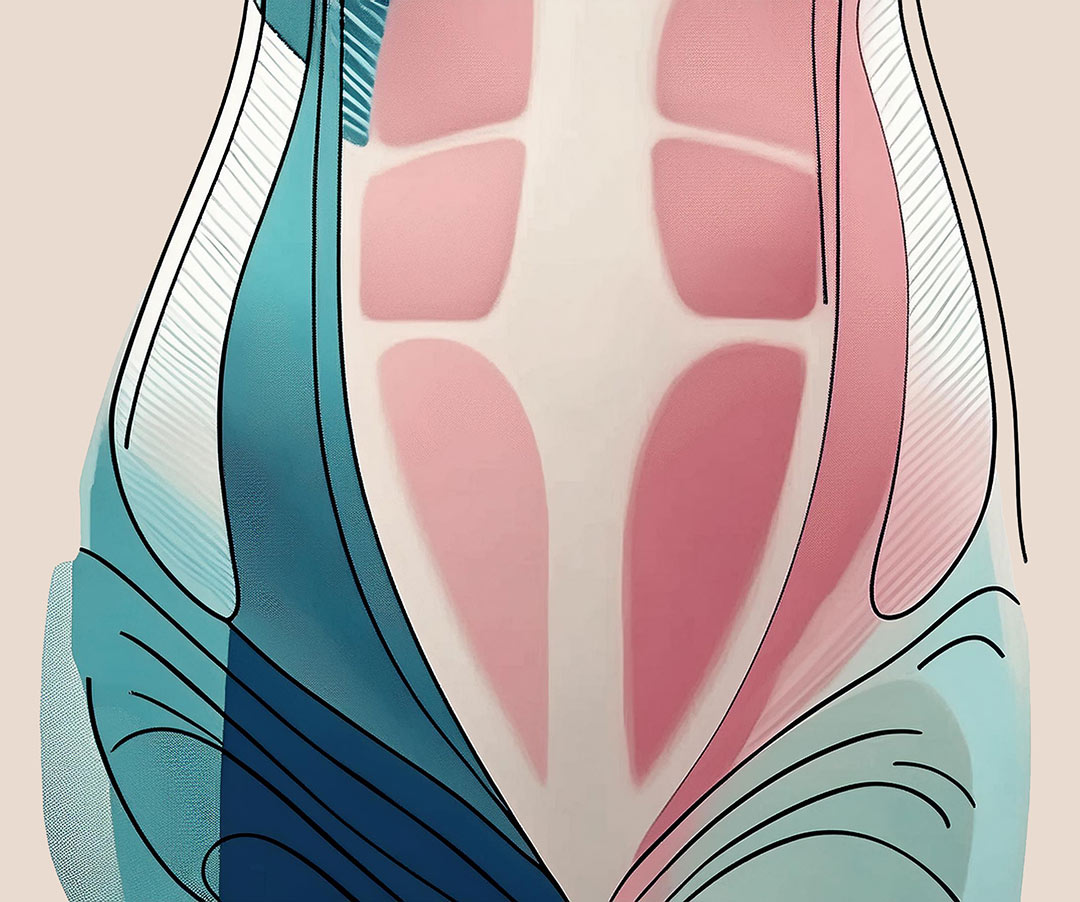
Diastasis Recti, a common condition affecting pregnant and postpartum individuals, involves the separation of abdominal muscles along the midline of the abdomen. This blog post highlights the importance of recognizing its symptoms, understanding its impact on core function and pressure management, and seeking specialized pelvic floor physical therapy for proper diagnosis and treatment.

Gender Affirming Care: 8 Ultimate Benefits of Pelvic Floor Therapy
June is pride month, a month to celebrate and commemorate the LGBTQIA+ population and a perfect time to share the importance of pelvic floor therapy for gender affirming care.

May is Pelvic Pain Awareness Month
May is Pelvic Pain Awareness Month, a time to shed light on a condition impacting 1 in 7 women in the U.S. By understanding the various causes, including endometriosis and vulvodynia, we can use this month to empower women to seek proper care and treatment for pelvic pain.
