
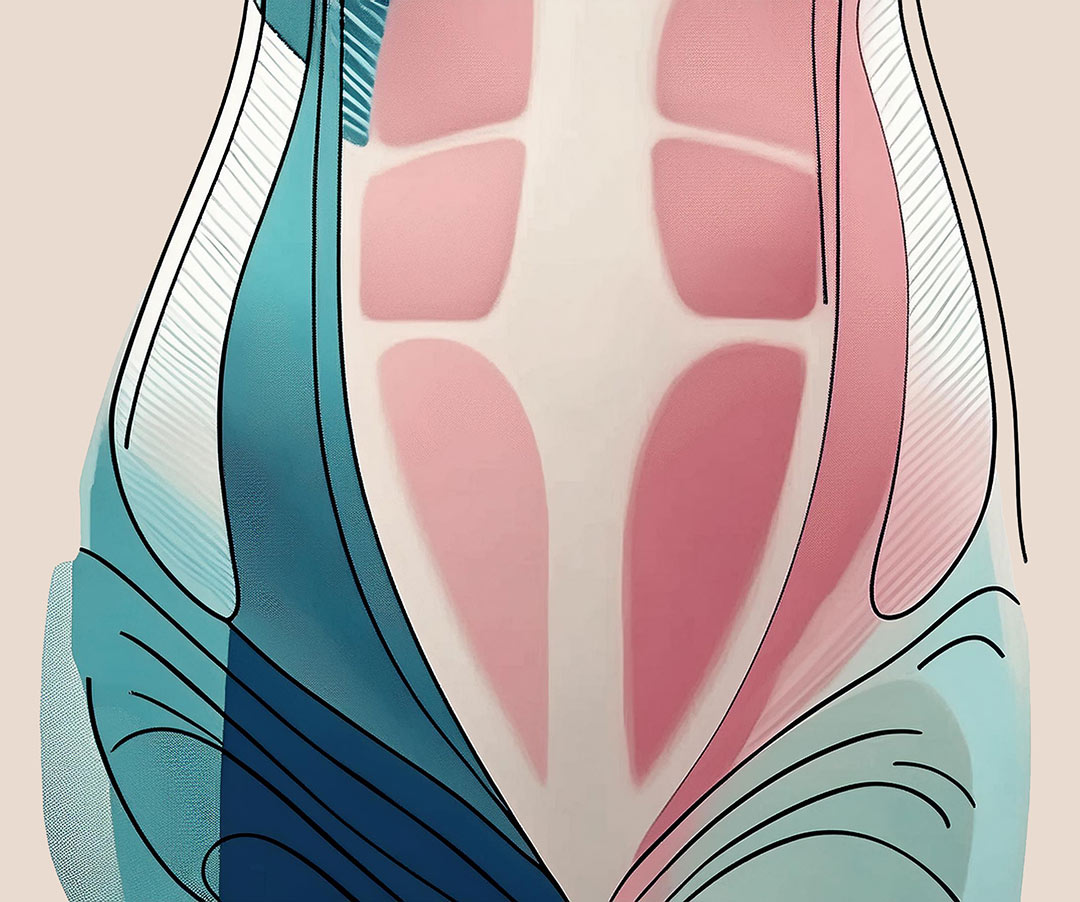
As July marks Diastasis Recti Awareness Month, it’s crucial to shed light on this common yet often overlooked condition affecting many pregnant and postpartum individuals.
Diastasis Recti Abdominis (DRA) is the separation of the abdominal muscles that can occur during pregnancy and persist after childbirth. This article aims to inform readers about DRA, its implications, and the importance of seeking proper care and treatment.
What is Diastasis Recti?
Diastasis Recti Abdominis refers to the separation of the two sides of the rectus abdominis muscle, commonly known as the “six-pack” muscle. This separation occurs along the linea alba, the connective tissue that runs down the midline of the abdomen. During pregnancy, the growing uterus puts pressure on the abdominal wall, causing these muscles to stretch.
While some degree of separation is normal and expected during pregnancy, persistent or significant separation postpartum may indicate a need for intervention. DRA can lead to various issues, including core weakness, back pain, and pelvic floor dysfunction.
Signs and Symptoms of DRA
Recognizing the signs of Diastasis Recti is crucial for early intervention. Some common indicators include:
- A visible bulge or “pooch” in the midsection, especially when engaging the core muscles
- Difficulty performing everyday tasks that require core strength
- Lower back pain or pelvic pain
- Poor posture
- Feelings of weakness in the abdominal area
- Incontinence, constipation or pelvic pain
If you notice these symptoms, it’s essential to consult with a specialized pelvic floor physical therapist for a proper diagnosis and treatment plan.
The Link Between DRA and Pressure Management
One crucial aspect of Diastasis Recti that often goes unnoticed is its connection to pressure management within the body. The abdominal muscles play a vital role in managing intra-abdominal pressure, which affects various bodily functions. When these muscles are separated, it can lead to:
- Inefficient core function
- Increased strain on the pelvic floor muscles
- Potential for hernias or other abdominal issues
- Difficulty with postural control, breathing and stability
Understanding this connection highlights the importance of addressing DRA not just as a cosmetic concern but as a functional issue that can impact overall health and well-being.
The Importance of Pelvic Floor Physical Therapy
For individuals experiencing Diastasis Recti, especially postpartum, seeking the help of a pelvic floor physical therapist is crucial. These specialized professionals can provide targeted interventions to address both DRA and related pelvic floor issues. Here’s why pelvic floor PT is essential:
- Comprehensive assessment: A pelvic floor PT can accurately measure the degree of separation and assess overall core function, pelvic floor muscle integrity and breathing mechanics.
- Customized treatment plans: They can develop personalized exercise programs to safely strengthen the core and pelvic floor muscles.
- Education on proper techniques: Patients learn how to engage their core correctly and manage intra-abdominal pressure during daily activities with proper breathing.
- Holistic approach: Pelvic floor PT addresses not just the abdominal separation but also any associated pelvic floor dysfunction through a full body approach.
Early intervention through pelvic floor physical therapy can significantly improve outcomes and prevent long-term complications associated with DRA.
Prevention and Management Strategies
While some degree of abdominal separation during pregnancy is normal, there are steps that can be taken to minimize the risk of severe DRA and promote safer recovery postpartum:
- Practice proper body mechanics during pregnancy and postpartum
- Engage in safe, pregnancy-appropriate core exercises under professional guidance
- Modify exercises that put excessive strain on the abdominal muscles, especially in the immediate postpartum period
- Use supportive garments as recommended by healthcare providers
- Focus on overall health, including proper nutrition and hydration
Remember, recovery from DRA is a gradual process that requires patience and consistency. Always consult with healthcare professionals before starting any new exercise regimen, especially during pregnancy and the postpartum period.
Conclusion
As we recognize Diastasis Recti Awareness Month this July, it’s crucial to understand that DRA is more than just a cosmetic concern. It’s a functional issue that can significantly impact core strength, posture, and overall well-being. By raising awareness about DRA, we empower individuals to seek timely intervention and appropriate care.
If you’re pregnant or postpartum and suspect you may have Diastasis Recti, don’t hesitate to reach out to Dr Natalia. With proper guidance and targeted interventions, it’s possible to effectively manage DRA and regain core strength and function. Remember, taking care of your body during and after pregnancy is an essential part of your journey into parenthood.
