
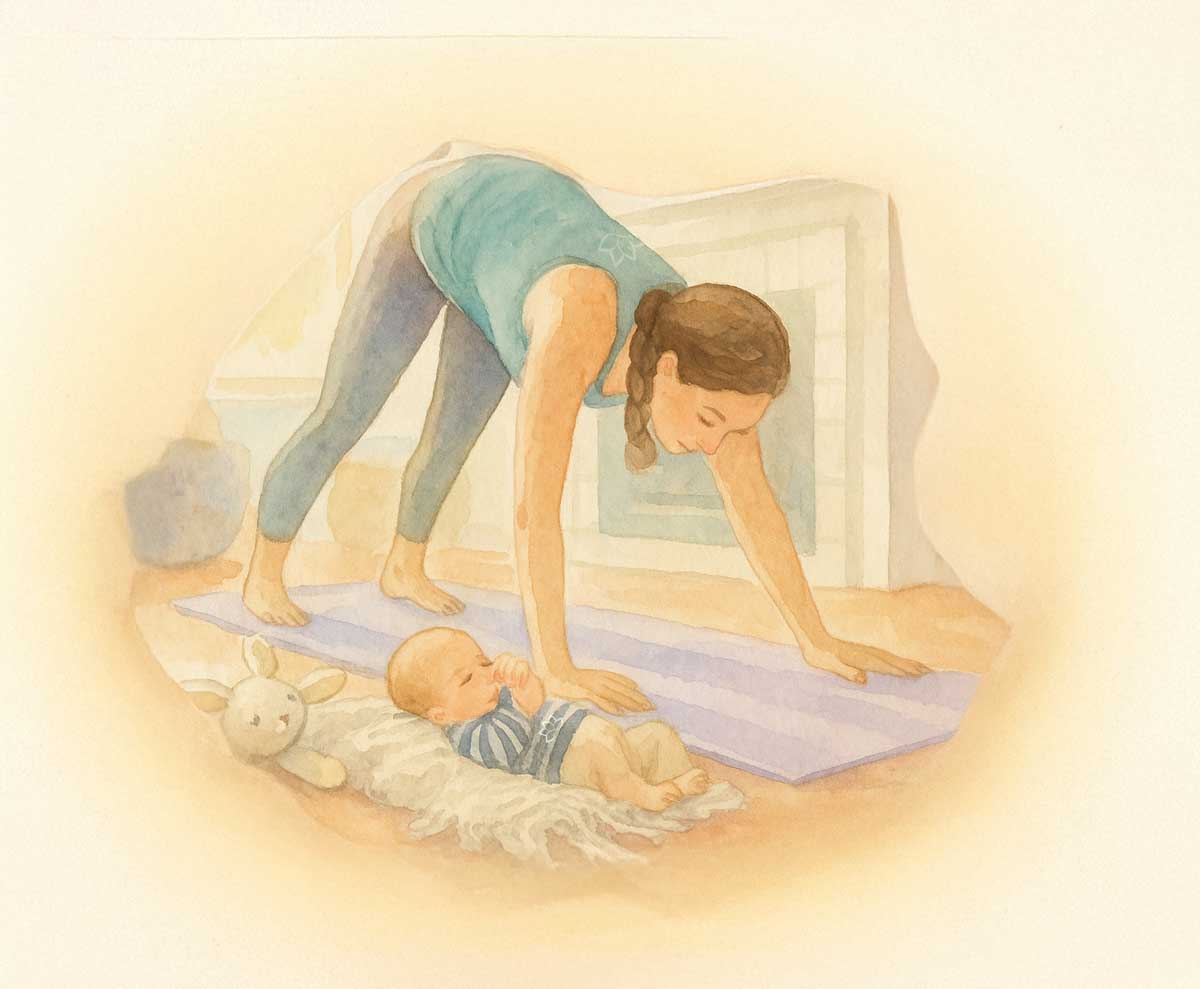
The postpartum period is a transformative phase, marked by profound physical, emotional, and lifestyle changes. Recognizing the unique challenges faced by new mothers, the 2025 Canadian Guideline for Physical Activity, Sedentary Behaviour, and Sleep Throughout the First Year Postpartum offers evidence-based recommendations to support maternal health and well-being. As a physical therapist, I aim to provide insights into these guidelines, emphasizing their practical application and the pivotal role of individualized care.
Understanding the Core Recommendations
The guidelines advocate for a holistic approach to postpartum recovery, emphasizing the integration of physical activity, sleep hygiene, and reduced sedentary behavior.
1. Physical Activity
- Recommendation: Engage in at least 120 minutes per week of moderate-to-vigorous physical activity (MVPA), such as brisk walking or cycling, spread over four or more days.
- Benefits: Regular MVPA postpartum is associated with significant health benefits, including a 45% reduction in the odds of depression, a 37% decrease in urinary incontinence, and a 28% lower risk of developing type 2 diabetes.
- Considerations: Initiate early mobilization with light-intensity activities (e.g., gentle walking, pelvic floor muscle training) and progress to MVPA once surgical incisions or perineal tears have sufficiently healed and vaginal bleeding does not increase with activity.
2. Pelvic Floor Muscle Training (PFMT)
- Recommendation: Perform daily PFMT to rehabilitate pelvic floor muscles impacted by pregnancy and childbirth.
- Benefits: Consistent PFMT can reduce the risk of urinary incontinence and support overall pelvic health.
- Considerations: Instruction on proper technique from a pelvic floor physiotherapist is recommended to obtain optimal benefits.
3. Sleep Hygiene
- Recommendation: Adopt a healthy sleep routine by avoiding screen time before bed and maintaining a dark, quiet environment to support maternal mental health.
- Benefits: Improved sleep quality can alleviate depressive symptoms and reduce daytime fatigue.
- Considerations: While uninterrupted sleep may be challenging with a newborn, even small improvements in sleep hygiene can have positive effects.
4. Sedentary Behavior
- Recommendation: Limit sedentary time to 8 hours or less per day, including no more than 3 hours of recreational screen time, and break up long periods of sitting when possible.
- Benefits: Reducing sedentary behavior can enhance cardiometabolic health and overall well-being.
The Role of Physical Therapy in Postpartum Recovery
Physical therapists play a crucial role in supporting postpartum individuals through:
- Individualized Assessments: Evaluating breathing patterns, rib cage mobility, abdominal strength, body mechanics, and functional movement patterns to tailor recovery plans.
- Pelvic Floor Evaluations: Conducting external and internal assessments to determine pelvic floor muscle strength, mobility, and coordination.
- Customized Exercise Programs: Developing personalized exercise regimens that can be integrated into daily routines, accommodating the presence of a newborn.
- Education and Support: Providing guidance on safe progression of physical activity and addressing concerns related to postpartum recovery.
Addressing Practical Challenges
While the guidelines offer a comprehensive framework, it’s essential to acknowledge potential challenges:
- Time Constraints: Balancing newborn care with personal health can be demanding. Incorporating short, manageable bouts of activity throughout the day can be effective.
- Physical Limitations: Recovery timelines vary; it’s important to listen to one’s body and progress at a comfortable pace.
- Emotional Well-being: Seeking support from healthcare providers, family, and community resources can aid in managing stress and promoting mental health.
Conclusion
The 2025 Canadian Postpartum Guidelines serve as a valuable resource for promoting maternal health in the first year after childbirth. By integrating physical activity, prioritizing sleep, and reducing sedentary behavior, new mothers can enhance their recovery and overall well-being. Physical therapists are instrumental in translating these guidelines into actionable, personalized plans, ensuring that each individual’s journey is supported with expertise and compassion.
